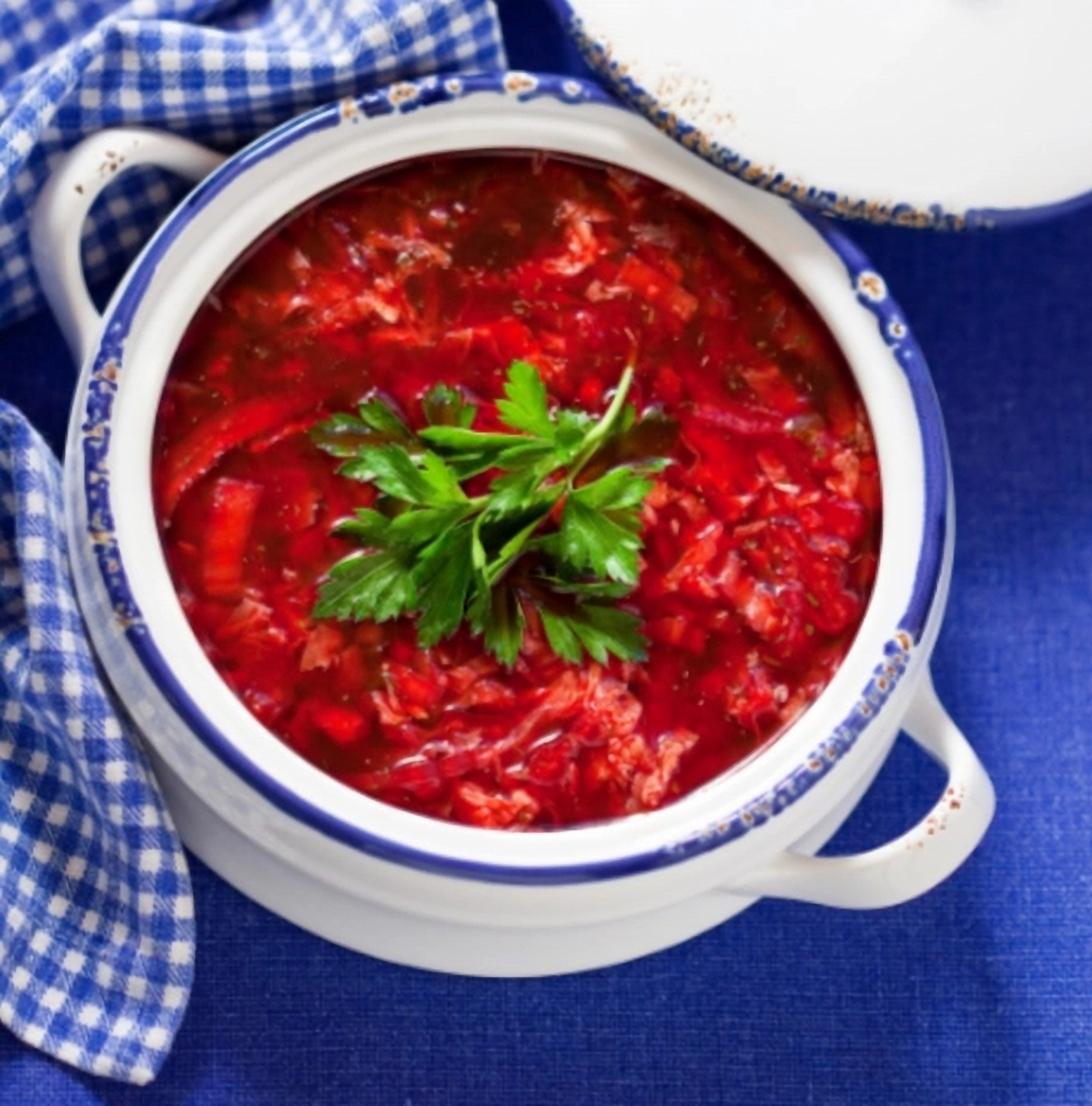
Ukrainian borscht is a traditional dish with references going back to the 16th century. It is a type of soup cooked using vegetable, meat, or mushroom broth by adding vegetables like cabbage, potato, carrots, onion, and tomatoes.
In 2022, UNESCO added Ukrainian borscht to its List of Intangible Cultural Heritage in Need of Urgent Safeguarding, citing the war as a direct threat to its preservation.
Borscht (or borshch, in Ukrainian) is deeply rooted in Ukrainian culture, and the recipe varies by family, region, and season. While beetroot is a staple in most versions, there are also regional adaptations.
In southern Ukraine, fish such as catfish or goby may replace meat. In spring, a “green borscht” appears, made with fresh herbs like sorrel and wild nettle, often without meat.
In autumn, borscht is typically heartier, with pork or chicken, and sometimes sauerkraut.
In western regions, notably around Lviv, borscht with mushroom dumplings is served during Christmas.
Additionally, lesser-known traditional ingredients like dried smoked pears have been used to add flavor.
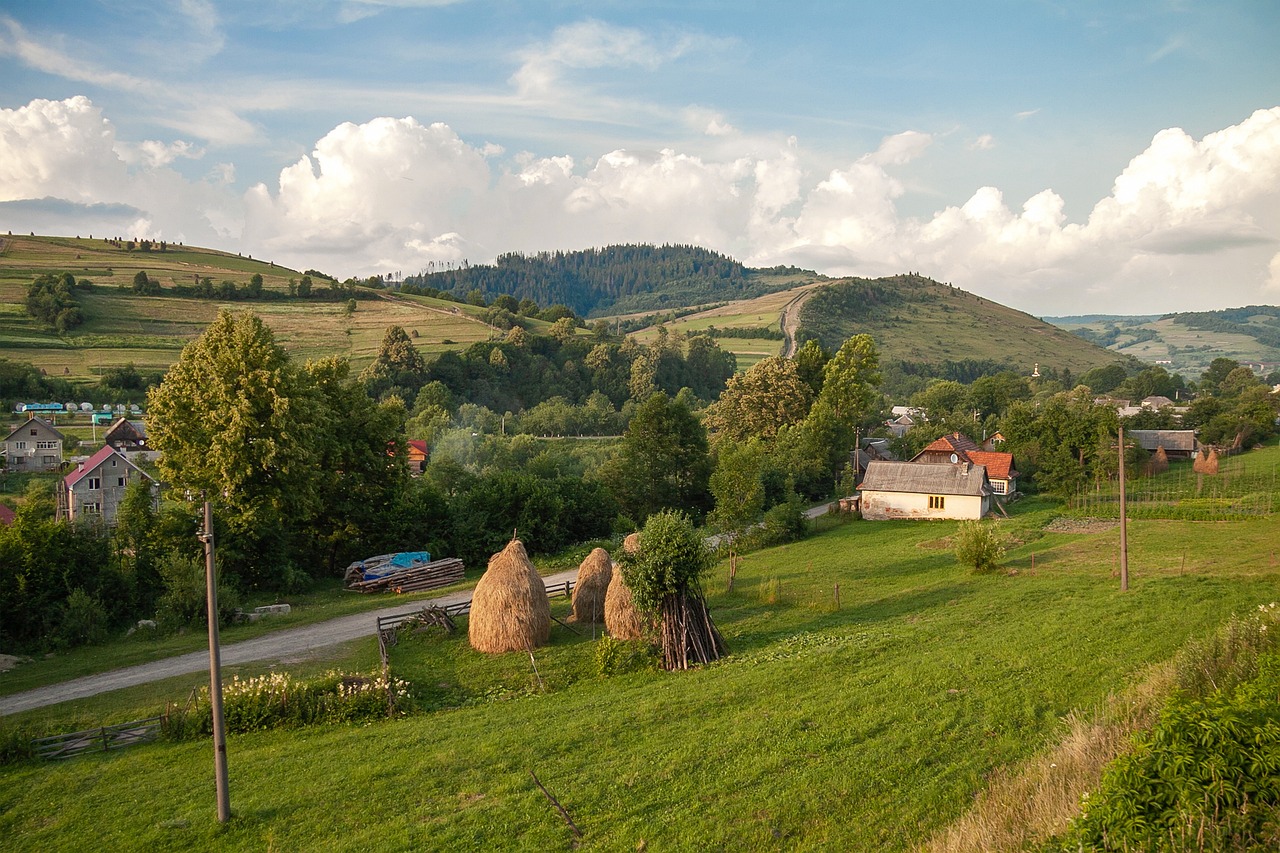
By early 2025, intensified attacks in eastern and southern Ukraine—especially in regions like Kharkiv, Zaporizhzhia, and Donetsk—have damaged homes, farmlands, and infrastructure critical to food production and preparation. Rural settlements have suffered widespread destruction, with many losing access to running water, electricity, and gas, making traditional cooking nearly impossible.
The Ukrainian Ministry of Agriculture reported that by late 2024, over 30% of small farms in war-affected areas had been disrupted, further complicating access to fresh produce like beets, cabbage, carrots, and potatoes.
Ukraine’s culinary habits have been shaped by repeated crises, especially the Holodomor famine of 1932–33, when at least 4 million Ukrainians died due to Soviet food requisitioning, a policy where authorities seized grain and other foods from rural communities. As a result, it has led to everyday habits like preserving seasonal produce, reusing leftovers, and relying on home-grown ingredients.
Fermented foods—including pickled tomatoes, cucumbers, cabbage, and even apples—remain common.
Smoking, drying, and fermenting techniques are deeply embedded in the culture.
In rural areas, food scraps are saved and repurposed, either fed to animals, turned into dry toast, or passed to relatives for reuse.
These habits, once seen as relics of scarcity, have proven essential under wartime conditions.
Despite the challenges, Ukrainian communities continue to adapt. Home cooking persists, even under difficult circumstances, with some residents returning to outdoor clay ovens, cooking over open flame, or using solar-powered setups.
In cities and refugee centers, chefs and volunteers have kept borscht on the menu, preserving not just a meal but a sense of continuity. Ukrainian families now scattered around the world have also played a role, sharing recipes, hosting borscht fundraisers, and teaching younger generations.
Historian and food researcher Olena Braichenko notes that Ukraine’s food culture is not just about nourishment, it’s about enduring a long history of displacement, scarcity, and imposed silence. Cooking, she argues, offers a way to retain agency and identity even under extreme duress.
Ukraine’s Borscht
Borscht offers a way to retain agency and identity. Why war has disrupted soup kitchens so fast.