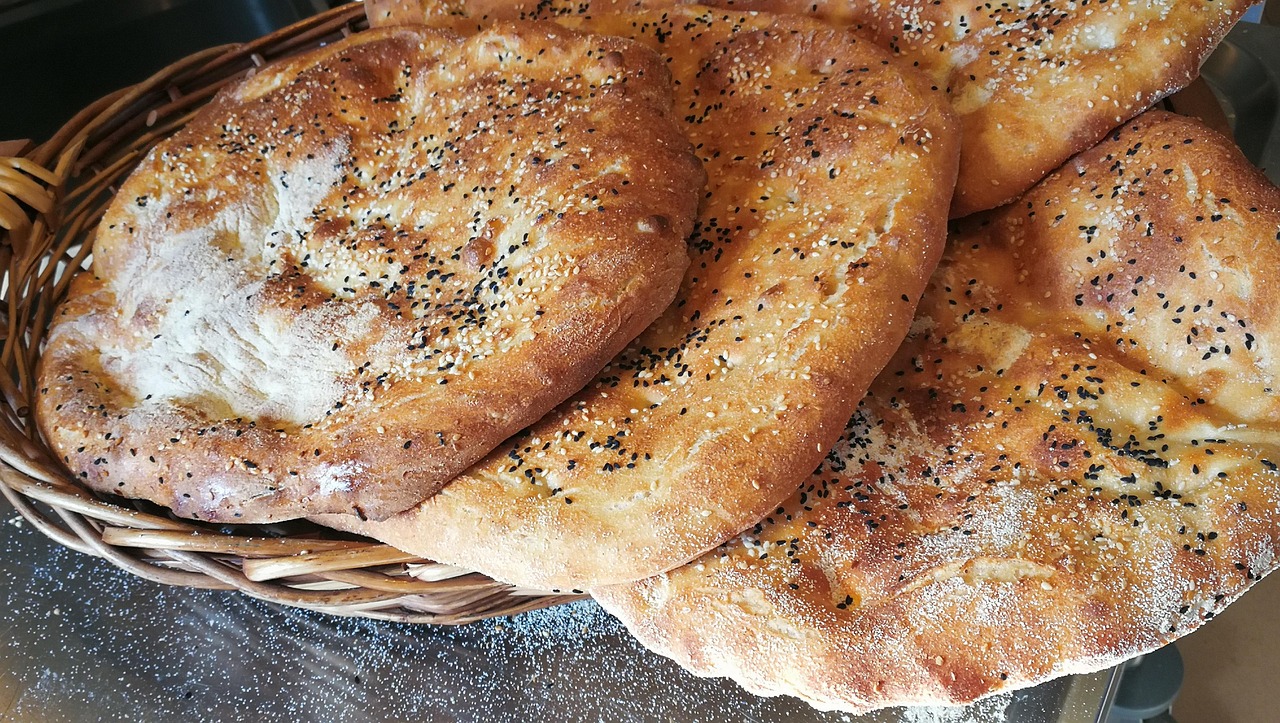
For generations, khubz, the warm, round flatbread central to Syrian meals, was baked daily in homes, communal taboons, and bakeries. It was here in the Syrian dessert that archeologists discovered the world oldest bread.
The fragments of 3 different types of unleavened flatbread, made between 15,500 and 14,000 years ago, was found with other food debris including gazelle, water fowl and hare bones, wild mustard seeds and charred tubers. It is therefore likely that any special communal meals involved feasting on meat and roasted tubers wrapped in or eaten with flat bread in much the same way that people still consume food in the Middle East today.
Bread has always been very much more than a staple, it is a symbol of life. Traditionally it was baked in a communal oven (fern) bringing neighbours and families together.
Over a decade of war has broken this tradition. Bombings have turned ovens to rubble, displacement has uprooted families, and economic collapse has severed the grain supply, making the daily act of breadmaking a struggle, or a memory, in much of Syria.
Wheat once sustained Syria’s agriculture, but years of war have shattered that foundation. Fields have been burned, farmers displaced, and machinery lost to conflict and looting. Sanctions have restricted fuel and trade, while recurring drought has deepened the crisis.
Flour, once abundant, is now scarce or low in quality, forcing families to queue for hours, rely on aid, or go without.
In a nation fractured by war, this simple bread, once a daily act of care, now carries deeper weight. Its absence signals more than hunger; it marks the erosion of a shared culture that offered comfort, connection, and resilience.
Syrias Bread
Once, khubz was baked in every Syrian oven. Why war is stealing our bread’s ancient roots.