In Madagascar, traditional foodways are built around rice. In humble, open-air huts, rice is steamed in bamboo or clay vessels, a process perfected over generations. What sets Malagasy rice apart is not just the technique, but the local herbs that infuse it with unique flavors, harvested from the island’s native forests.
For centuries, these indigenous herbs such as ambohitra, ravintsara, and other aromatic leaves have been integral to Malagasy cooking. They provide the distinctive taste to rice dishes and are essential in a variety of sauces and broths, linking every meal to the rich biodiversity of Madagascar’s landscapes.
Today, unsustainable logging and rapid deforestation are stripping away these natural resources. As trees fall and forests shrink, the supply of native herbs is dwindling. This environmental degradation threatens not only the delicate balance of local ecosystems but also the cultural practices that rely on these herbs to transform a simple grain into a dish that tells the story of Madagascar.
Local communities and cultural preservationists warn that without intervention, the traditional art of steaming Malagasy rice with indigenous herbs may become a relic of the past. Efforts to promote sustainable forestry and reforestation are underway, aimed at safeguarding these culinary traditions.
Malagasy Highland Food
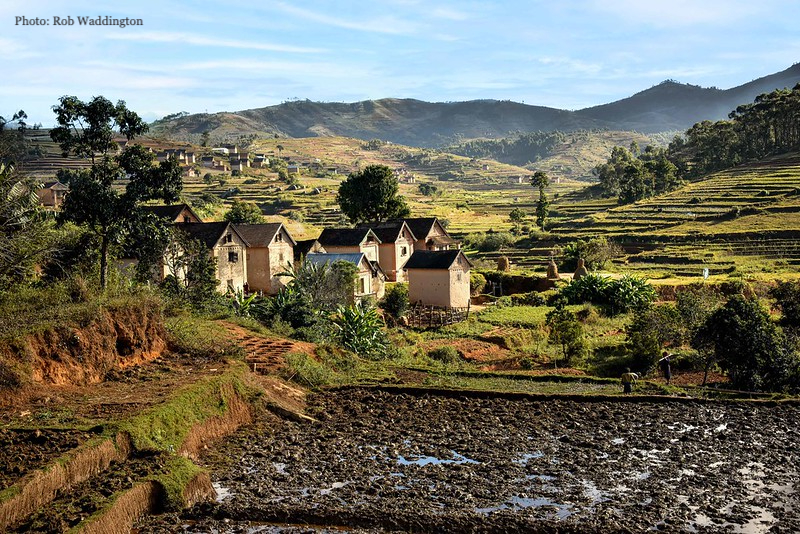
Deforestation and soil erosion threaten crops and traditional cooking practices, including rice-based dishes flavored with native herbs.