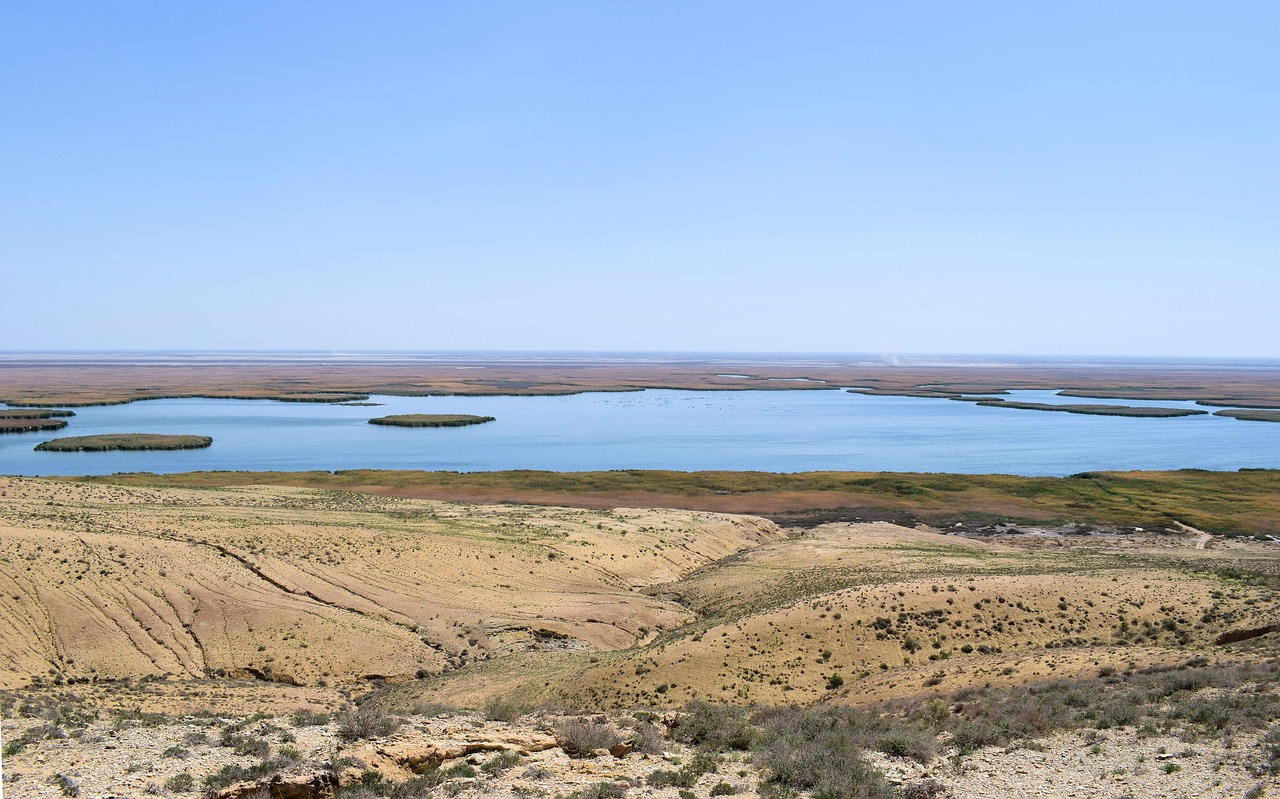
The Aral Sea, once one of the world’s largest inland bodies of water, has all but vanished. Its retreat is a symbol of one of the greatest environmental disasters of the 20th century.
For the Karakalpak people of northwestern Uzbekistan, who lived along its shores for generations, the sea’s disappearance has devastated more than ecosystems, it has unravelled a food culture rooted in fishing, farming, and communal tradition.
At the heart of Karakalpak cuisine was balyk shorpa, a simple, nourishing fish soup made with lake-caught fish, potatoes, onions, and fresh herbs. Families gathered cross-legged around a dastarkhan, a traditional floor mat, sipping broth from bowls and eating the solids with their hands. This everyday ritual showed a deeper harmony between food, place, and people, one now broken by environmental collapse.
As the Aral Sea dried due to Soviet-era river diversions for cotton irrigation, fishing villages became ghost towns, and salinized soil made farming increasingly untenable. Traditional crops like sorghum, pumpkins, and carrots, used in dishes like zhueri gurtik, a sorghum dumpling soup, are now difficult to grow.
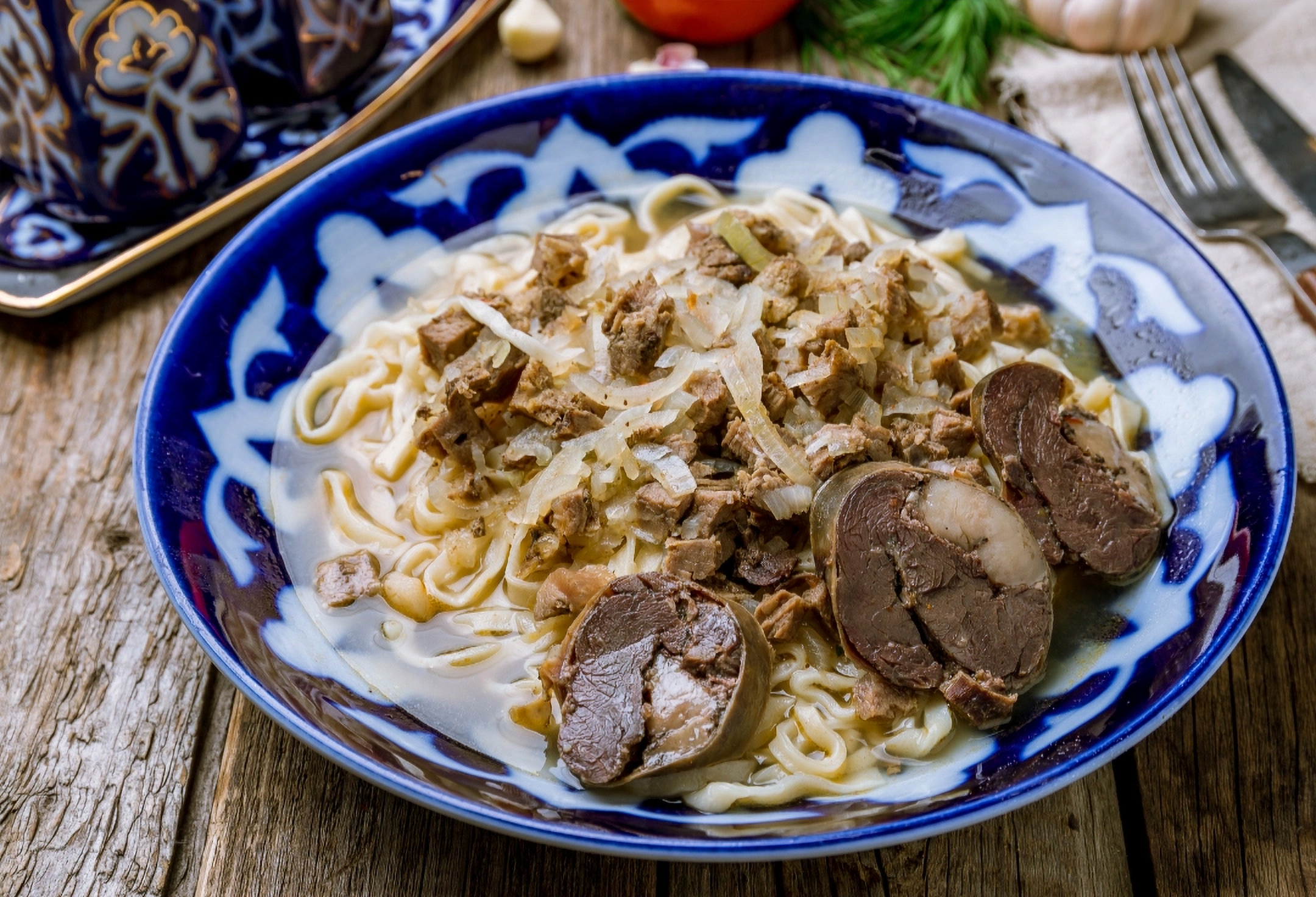
Duram, a shared dish made with crumbled boiled meat, dumplings, and a rich broth seasoned with duzlyk (chopped onions and broth fat), also depends on ingredients and communal preparation styles that are fading fast.
Karakalpak cuisine blends Central Asian influences from neighboring Uzbeks, Kazakhs, and Turkmens—offering dishes like pilaf and manti and beshbarmak. Bread, tea, and milk remain mealtime staples, repeating the customs of medieval nomads. But as fishing ends and fields turn barren, Karakalpak culinary traditions are at risk of extinction.
The loss of these dishes is cultural. Recipes like balyk shorpa, zhueri gurtik, and duram carry generations of knowledge. Documenting them, along with preparation techniques and mealtime customs like sitting on the dastarkhan, is vital to preserving Karakalpak identity. While the Aral Sea may not return, the stories and flavors of those who lived by it still can - if we act to record and protect them.
Karakalpak food
Ecological collapse in the Aral Sea has devastated fisheries and salt-tolerant crops, eroding Karakalpak culinary identity.