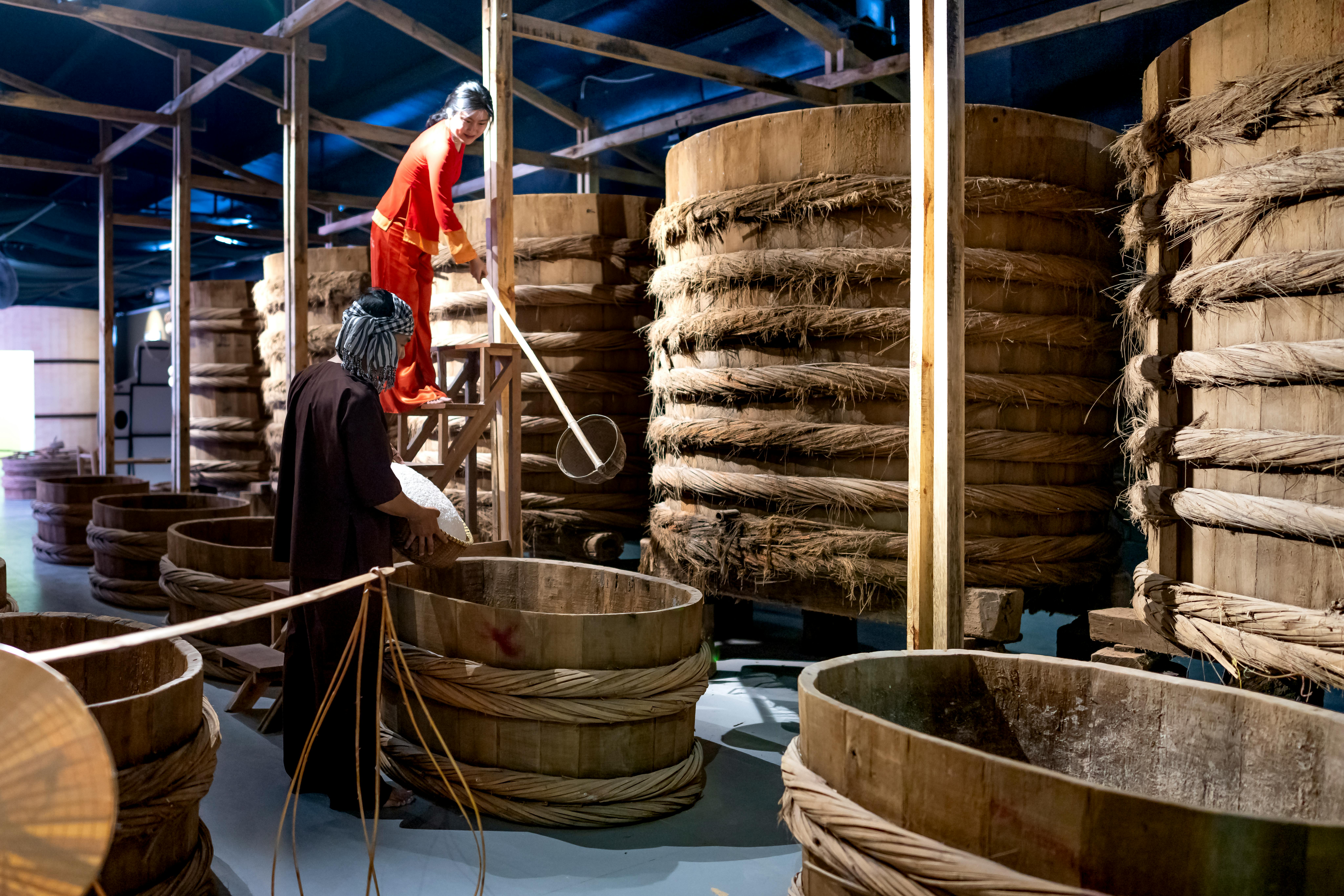
In Cambodia, fermented fish has long been a cornerstone of daily meals and seasonal survival. From prahok, the iconic crushed and salted fish paste, to mam (fermented whole fish) and paork (salted semi-dried fillets), these traditions preserve both protein and cultural memory.
Prepared in jars, crocks, or banana leaf parcels, each method reflects the rhythms of Cambodia’s rivers, climate, and communal life. Today, these practices are disappearing from homes.
Fermenting fish was once a shared task—women gathering fish at peak season, salting them with practiced hands, and sealing them away in jars stored under stilted houses. But as refrigeration, packaged condiments, and city living spread, fewer families carry on the work. Younger generations often prefer store-bought sauces, and many see fermented fish as “poor food” or too labor-intensive. As this shift accelerates, home fermentation is becoming a rarity even in rural areas.
A Loss of Knowledge and Flavor
These aren’t just ingredients—they’re the foundation of iconic dishes like samlor korko, prahok ktis, and mam chha kroeung (fermented fish stir-fried with lemongrass paste). Without fermentation, these dishes lose their depth, and the sensory knowledge of smell, texture, and timing passed down through generations begins to vanish. The decline also severs links to Cambodia’s seasonal cycles and food sovereignty—skills once critical to surviving the dry season or rice shortages.
Keeping the Jar Closed, Not Forgotten
While fermented fish products are still sold in markets and used in restaurants, the tradition of making them at home is at risk. Saving these practices isn’t about resisting change—it’s about honoring a culinary system that sustained Cambodia for centuries. Every jar of prahok or mam that’s made by hand holds more than preserved fish—it holds memory, resilience, and a taste of what it means to be Khmer.
Fermented fish traditions
Ancient fermenting techniques like prahok are vanishing as globalized diets and refrigeration spread.