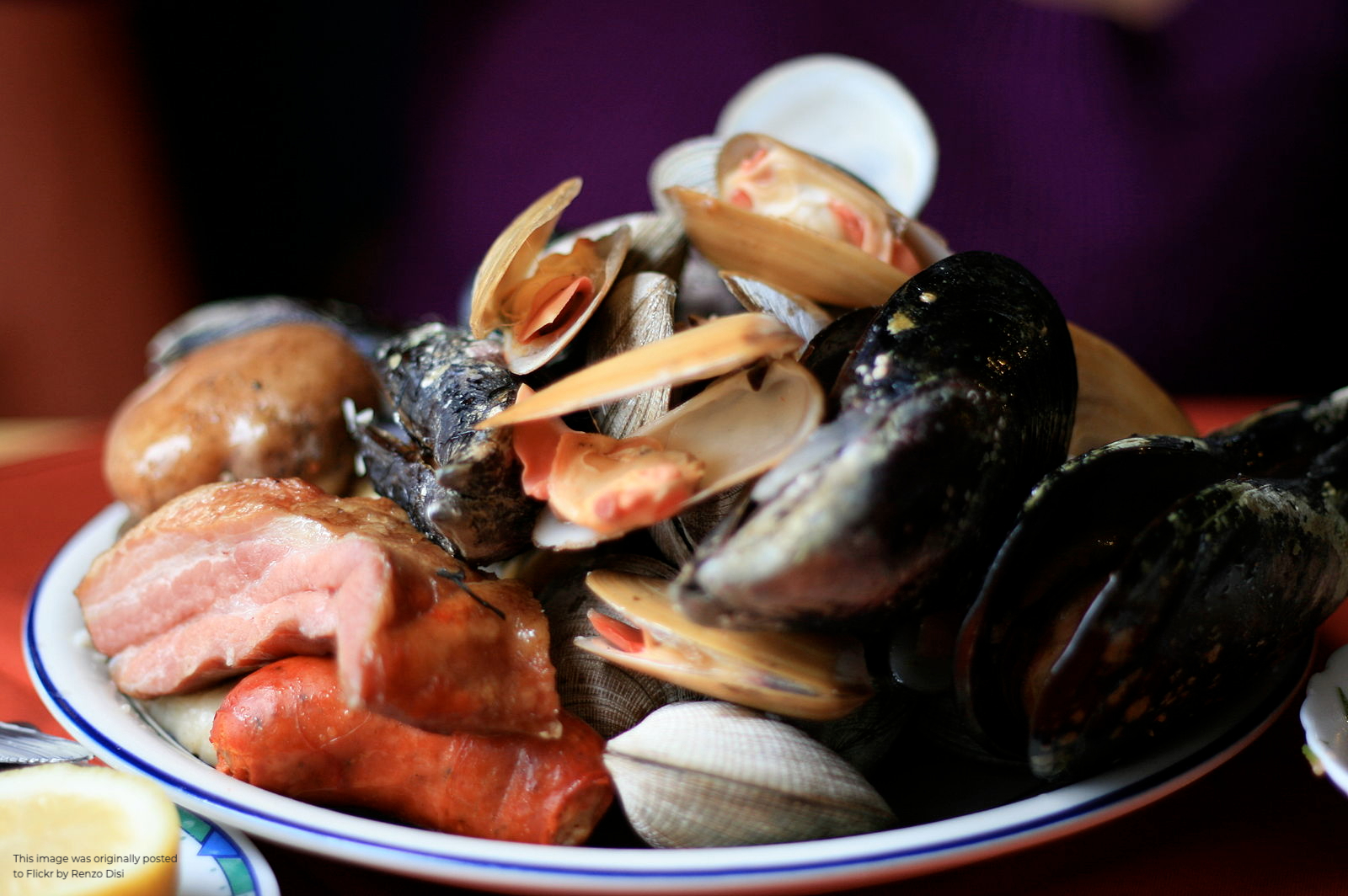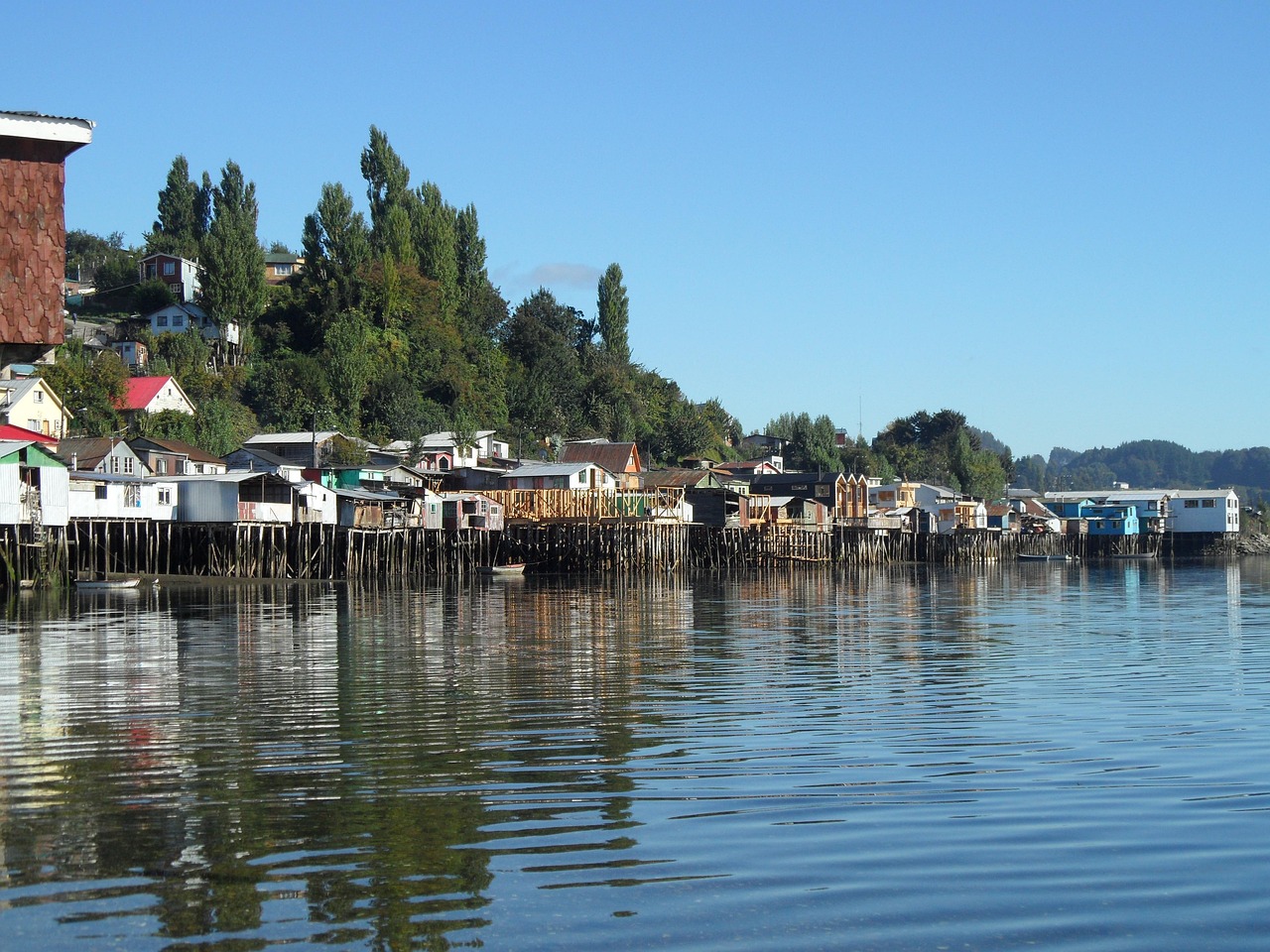
Chiloé, an archipelago off Chile’s southern coast, has long been a stronghold of agricultural and culinary tradition. One of its most famous dishes is curanto, a meal of seafood, meats, potatoes, and dumplings, layered over heated stones in a pit, covered with nalca leaves, and slow-cooked underground. This technique, known as curanto en hoyo, has deep historical roots with archaeological evidence suggesting it may date back over 11,000 years.
Potatoes are central to Chilote food culture. The island’s fertile volcanic soil supports an extraordinary variety of tubers, over 286 native types, making Chiloé one of the world’s primary centers of potato biodiversity. Genetic studies indicate that 99% of global cultivated potatoes trace their lineage to this region. In curanto, potatoes appear both whole and in the form of milcao and chapalele, two traditional dumplings made from grated or mashed potatoes.
These ingredients are combined with local shellfish like clams and mussels, pork, and smoked sausages to form a meal historically tied to communal labor, seasonal abundance, and cultural expression. Curanto was often served at social gatherings accompanied by chicha (fermented apple cider) and traditional music.
In recent decades, Chiloé’s traditional food systems have come under pressure from modernization, urban migration, and climate change. Fewer families prepare curanto en hoyo due to its labor-intensive nature, and many now opt for curanto en olla, a pot-based version cooked on a stove. While still popular, it lacks the distinctive flavor imparted by hot stones and underground cooking.
At the same time, overfishing has reduced the availability of key shellfish species, and commercial farming of non-native potato varieties has contributed to a decline in biodiversity.
Efforts to preserve curanto and traditional potato cultivation are made in communities like Yaldad, part of the Indigenous Huilliche population, families still practice pit cooking and seed-saving of native potato varieties. Local initiatives ranging from seed banks to culinary workshops aim to document and sustain these practices amid environmental and economic change.
Chiloé Island food traditions
The use of native potatoes (hundreds of varieties) and pit-roasting techniques (curanto) are at risk due to climate shifts and younger generations leaving.