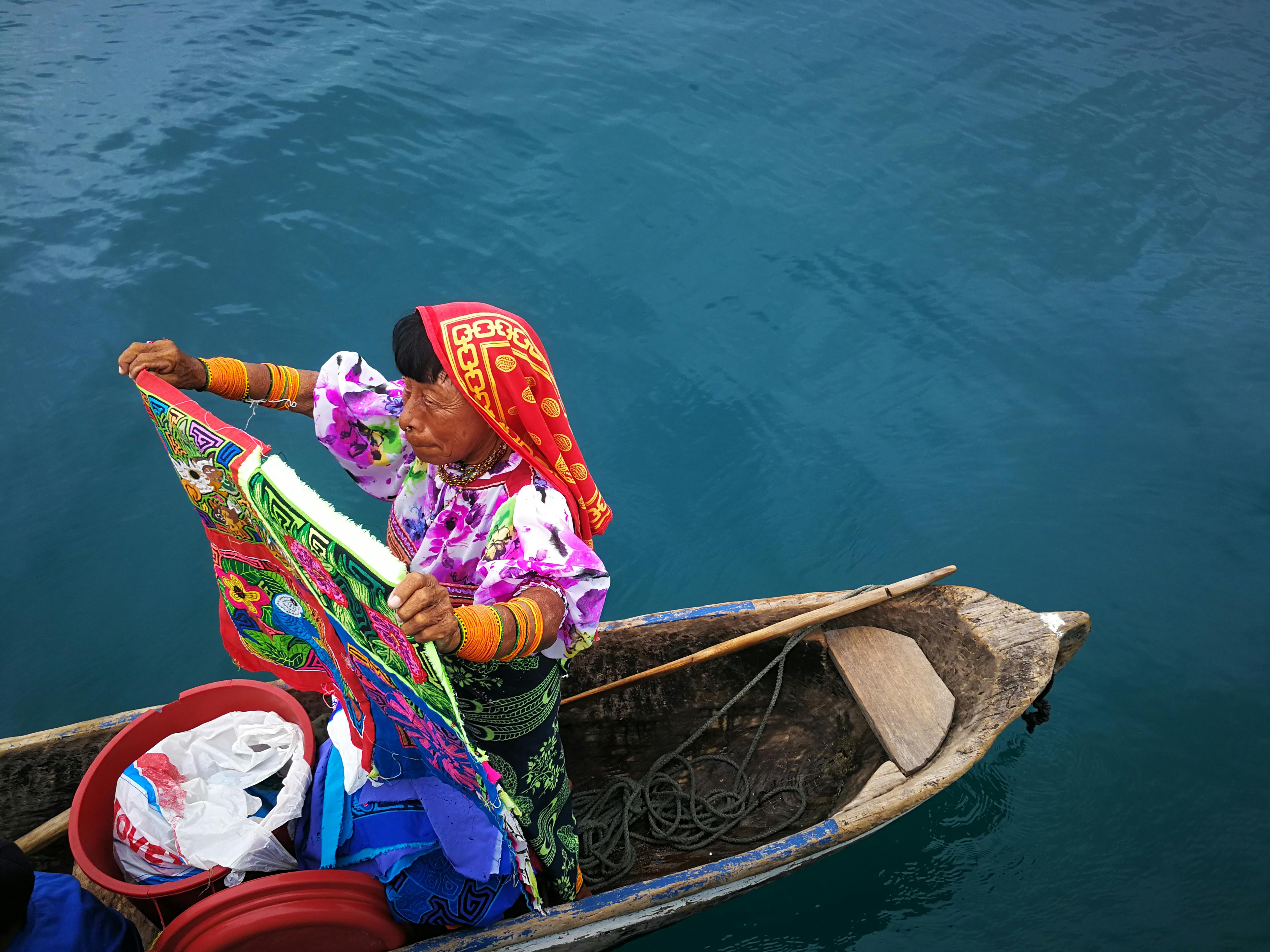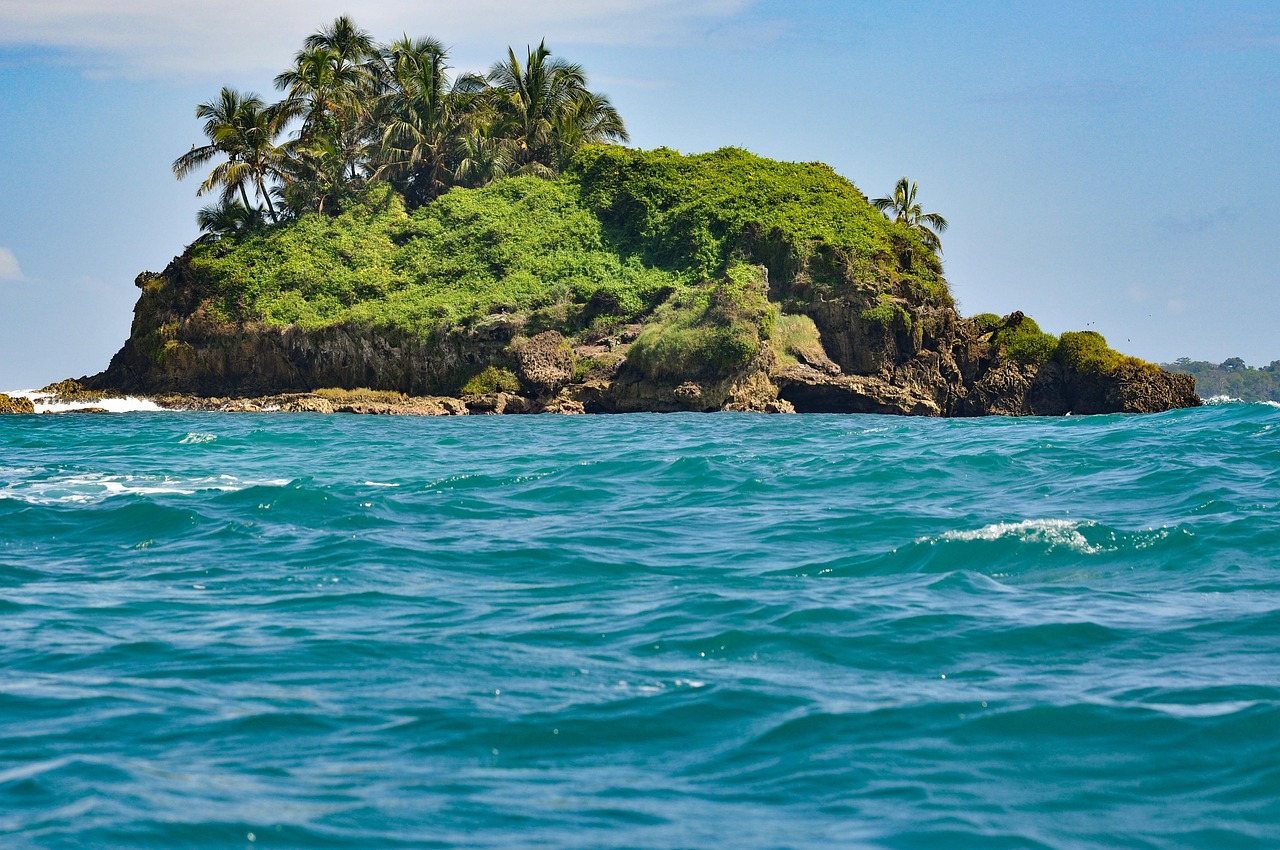
The Kuna people, an Indigenous community living across Panama’s low-lying Caribbean islands, are facing the slow erosion of their culinary identity. As sea levels rise, the islands of Guna Yala are shrinking—forcing communities to relocate inland, away from the coastal ecosystems that have sustained their foodways for generations. In 2024, the United Nations named this displacement an urgent threat to cultural heritage.
At the heart of Kuna cooking is fish, caught fresh and prepared in traditional dishes like tulemasi, a coconut milk stew that reflects the community’s deep relationship with the sea. Coconuts, too, are essential used in everything from stews and drinks to trade and for ceremony.
On the mainland, fishing becomes impractical and coconut groves are scarce. As relocation accelerates, these foundational ingredients are harder to access, breaking the link between the Kuna and their coastal knowledge.
The loss of these ingredients risks more than a change in diet, it threatens a shared history. Kuna meals are often communal, reinforcing social ties and spiritual traditions. With relocation, these foods are being replaced by industrial staples and processed goods, diluting not just flavor but identity. Without targeted support to preserve access to native ingredients and traditional cooking methods, the Kuna’s culinary heritage, like their islands, may be submerged by climate change.
Balu Wala
As the Sea Rises, the Kuna’s Coastal Cuisine Faces Disappearance