
Japan
The Cuisine
Japanese cuisine begins with a deep and respectful understanding that nature leads, and we follow.
The concept of shun means eating seasonal ingredients at their absolute peak — in flavour, freshness, and nutritional value. What appears on a Japanese table in March will be gone by October.
Beneath the seasons sits umami: a quietly powerful savouriness that lives in seaweed, miso, soy, and mushrooms. It's the reason Japanese food can be so simple and still feel so complete.
At home, meals follow the principle of ichiju-sansai — one soup, three sides. Steamed rice, miso soup, one main dish, two sides. Vegetables, pickles, fermented foods.
Nothing is there by accident. Every element has its place.
In Japan, philosophy comes first.
Ingredients are its expression.
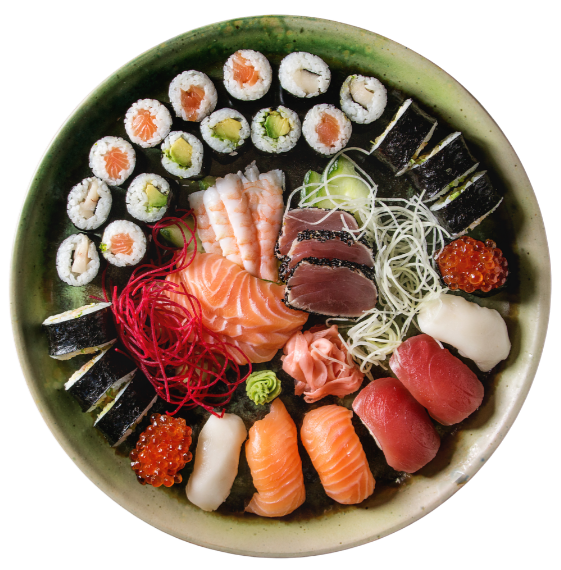
Key Ingredients
Signature Dishes
Regional Recipes
In the Kitchen
Etiquette
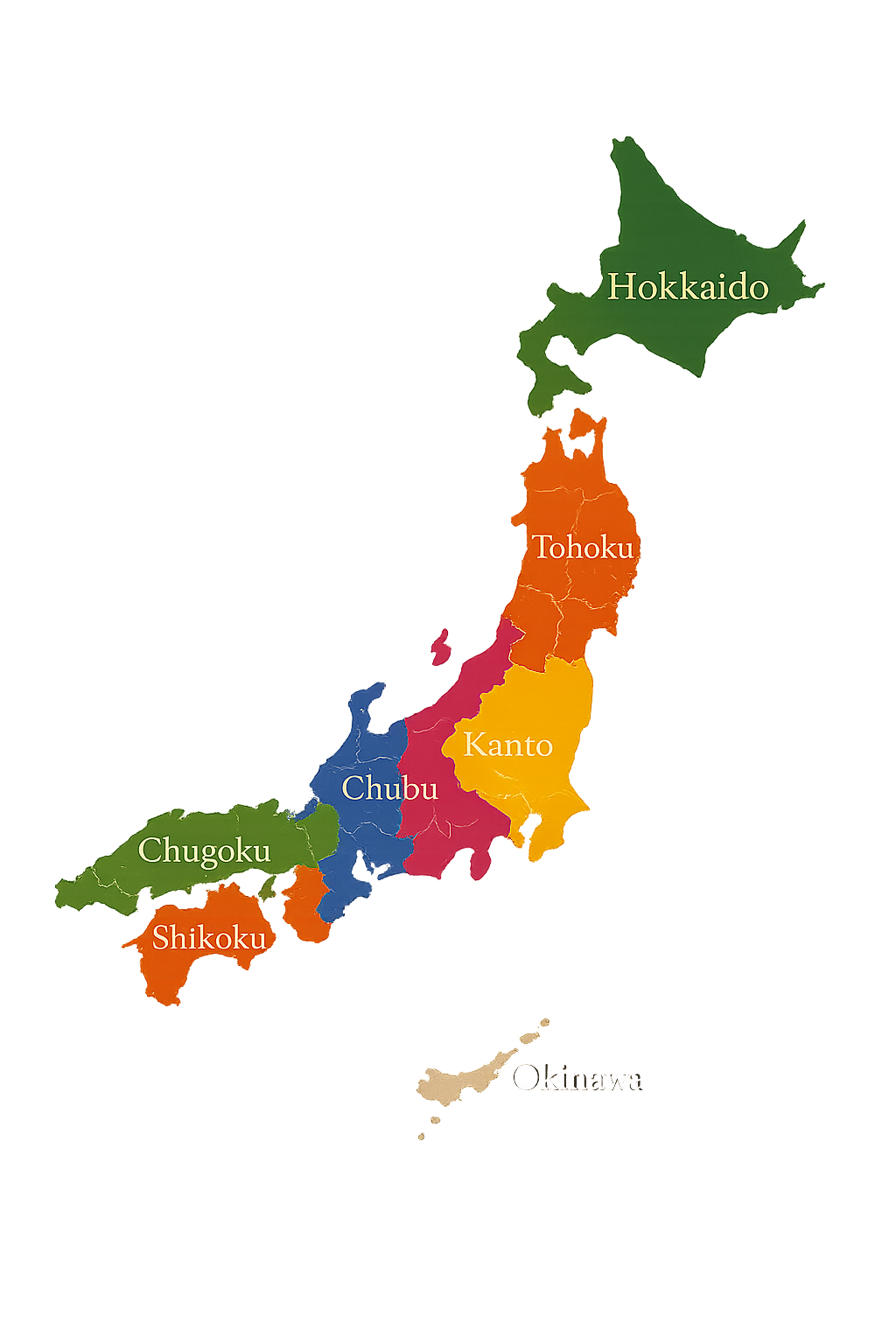
Regional Cuisine
Japan’s cuisine is not one singular tradition, but a collection of regional identities shaped by landscape, climate, and history. Across mountains, coastlines, and subtropical islands, each region reflects its environment through seasonality, preservation, and deeply rooted local practices. Take a journey through Japan’s regions, where every dish tells the story of where it comes from.

Kansai
Kanto

Tohoku

Chubu

Hokkaido

Chugoku

Kyushu

Okinawa

Shikoku
Matcha Brush – Chasen (茶筅)
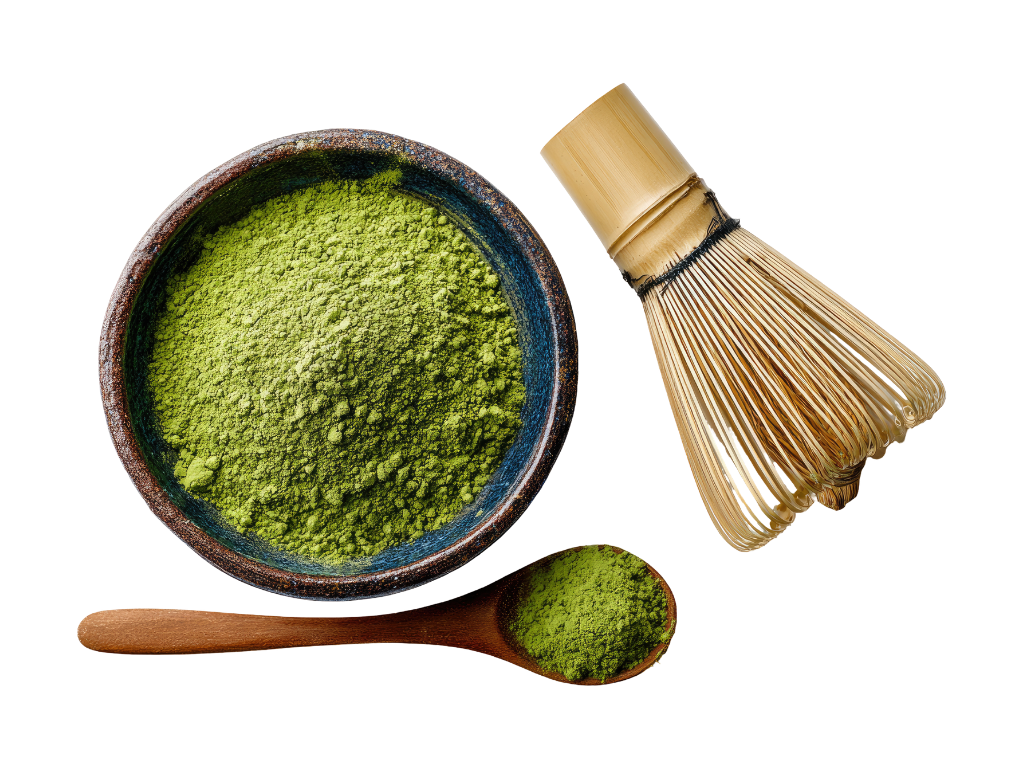
The Chasen (茶筅) is a traditional bamboo whisk used in Japanese tea ceremonies to mix matcha powder with hot water, creating a smooth, frothy tea. They typically have between 16 and 120 bamboo tines, with higher counts (80–120) creating a finer, better foam for thin tea (usucha). Fewer tines (16–48) are used for thick tea (koicha). They are hand-carved from a single piece of bamboo.
Takoyaki Pan (たこ焼き器)
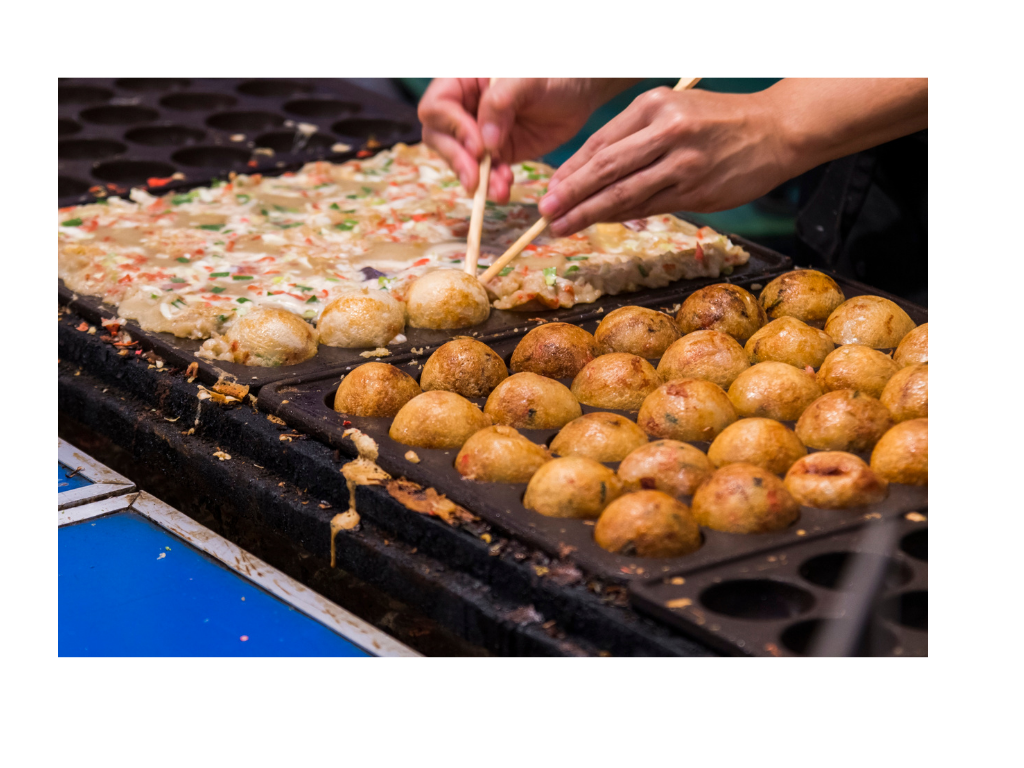
A cast iron pan of perfect spherical moulds, designed for one dish only. The act of rotating each ball of batter at precisely the right moment is a skill passed between generations in Osaka home kitchens
Ramen Strainer (ラーメンストレーナー)
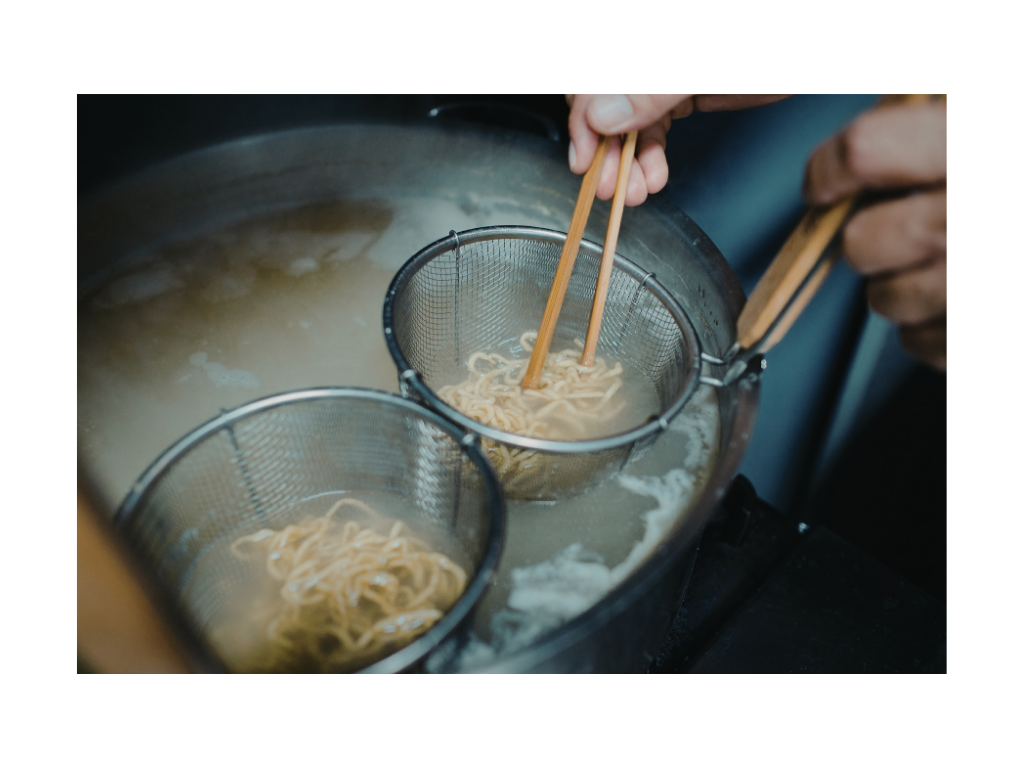
A fine mesh strainer used to drain noodles quickly when making ramen.
Essential in ramen shops for cooking & shaking noodles before serving.
Suribachi & Surikogi (すり鉢 & すりこぎ) – Japanese Mortar & Pestle
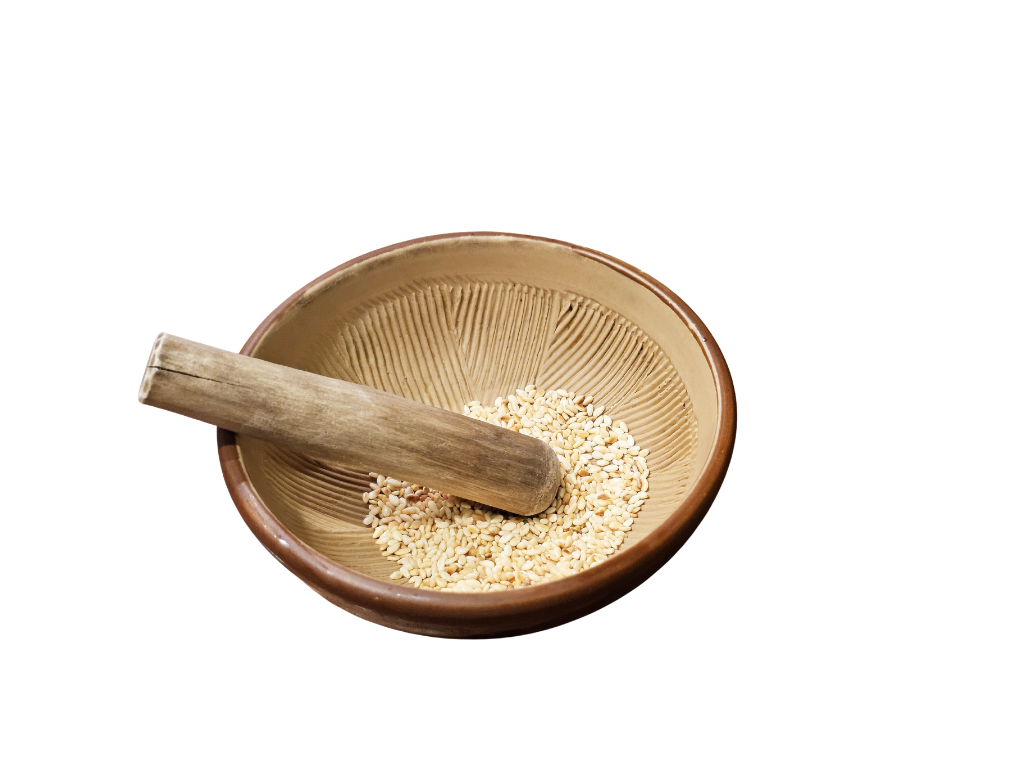
Suribachi (bowl) is a ridged ceramic bowl used with a Surikogi (wooden pestle).
Perfect for grinding sesame seeds, miso, and pastes.
Tetsubin (鉄瓶) – Cast Iron Teapot
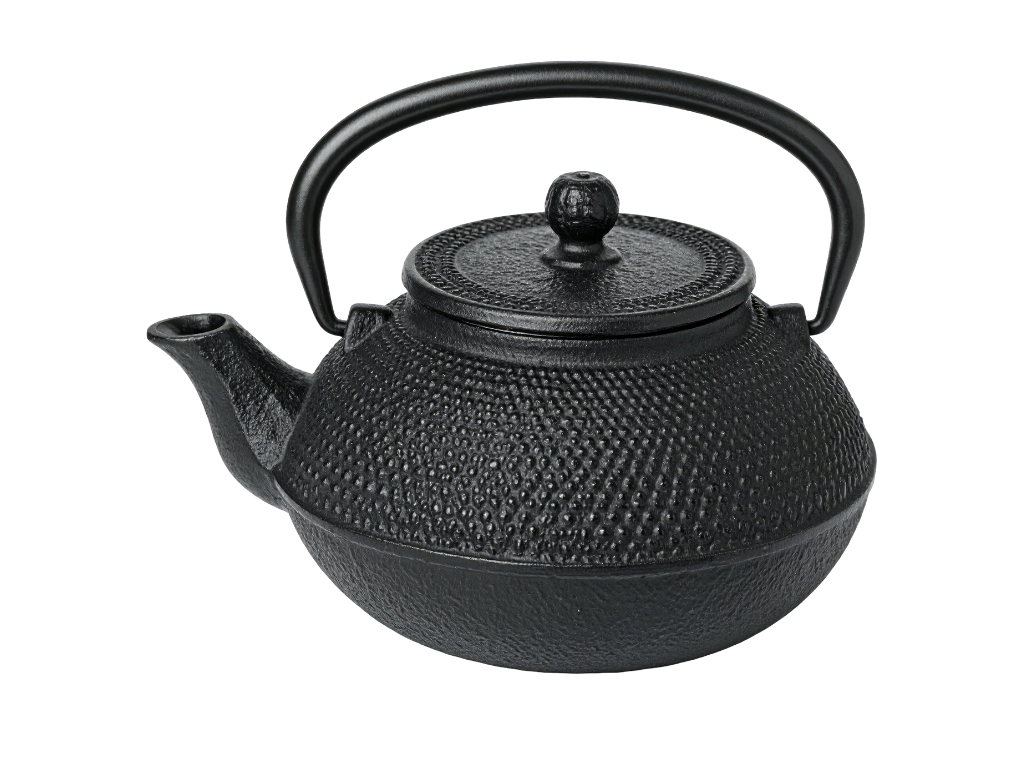
Cast iron heated slowly, releasing trace minerals into the water as it boils. The tetsubin changes the way water tastes, it softens it, making tea taste fundamentally different. Some have been in the same family for a century."
Oroshigane (おろし金) – Japanese Grater
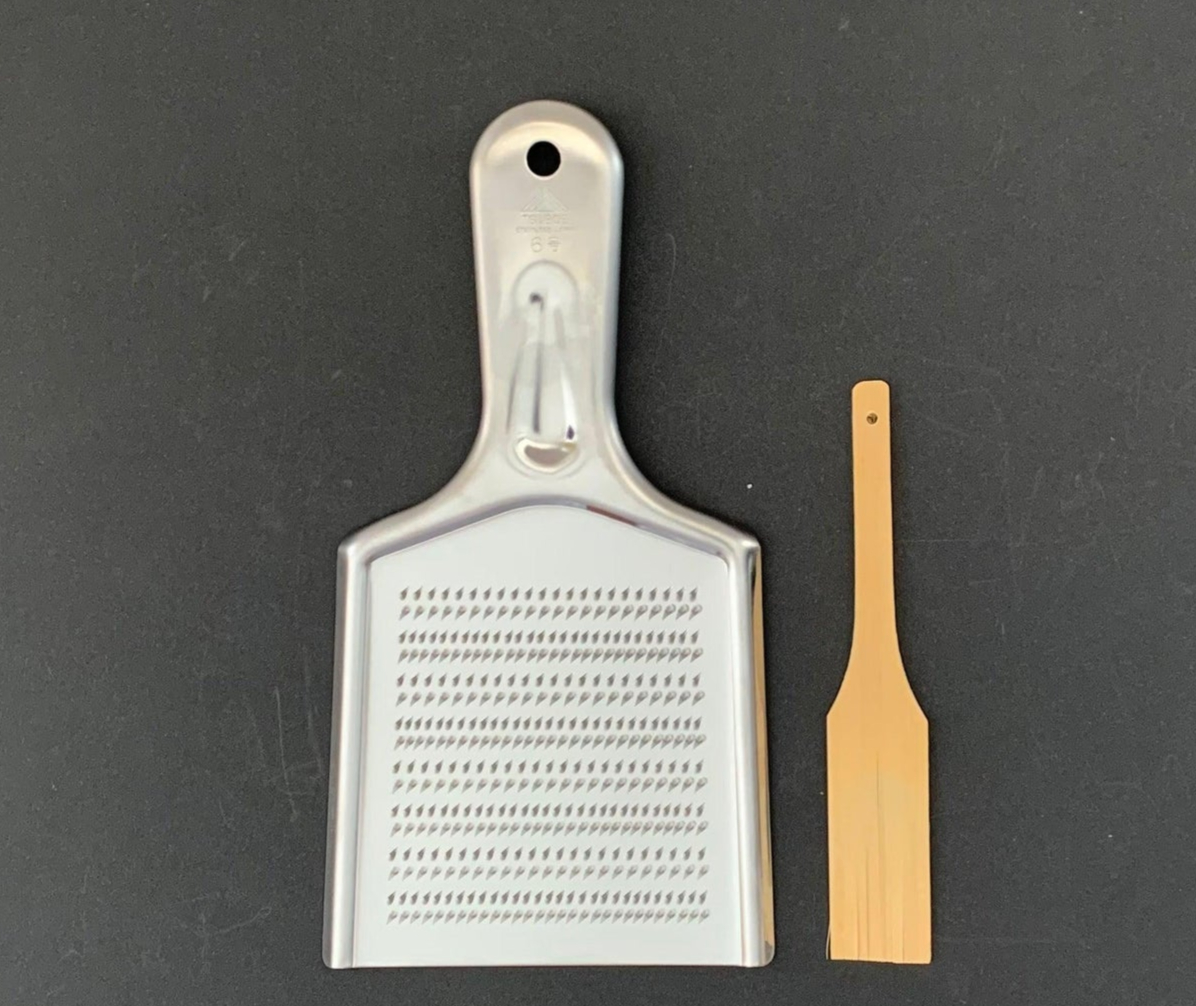
A flat metal grater with teeth so fine they reduce daikon radish to something closer to snow than shreds. The texture it produces — cold, light, almost weightless — is essential to dishes where a Western grater would produce something unrecognisable.
Makisu (巻き簾) – Bamboo Sushi Mat
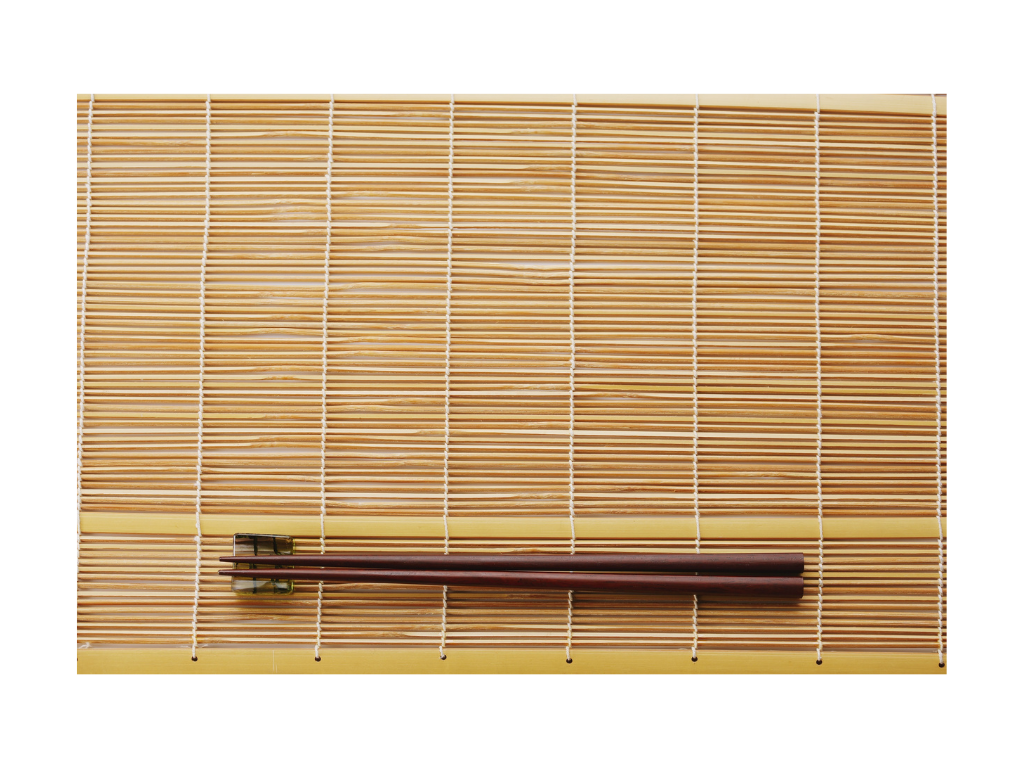
A woven bamboo mat used for rolling sushi (Makizushi) and shaping Tamagoyaki (Japanese omelet).
Shichirin (七輪) – Charcoal Grill
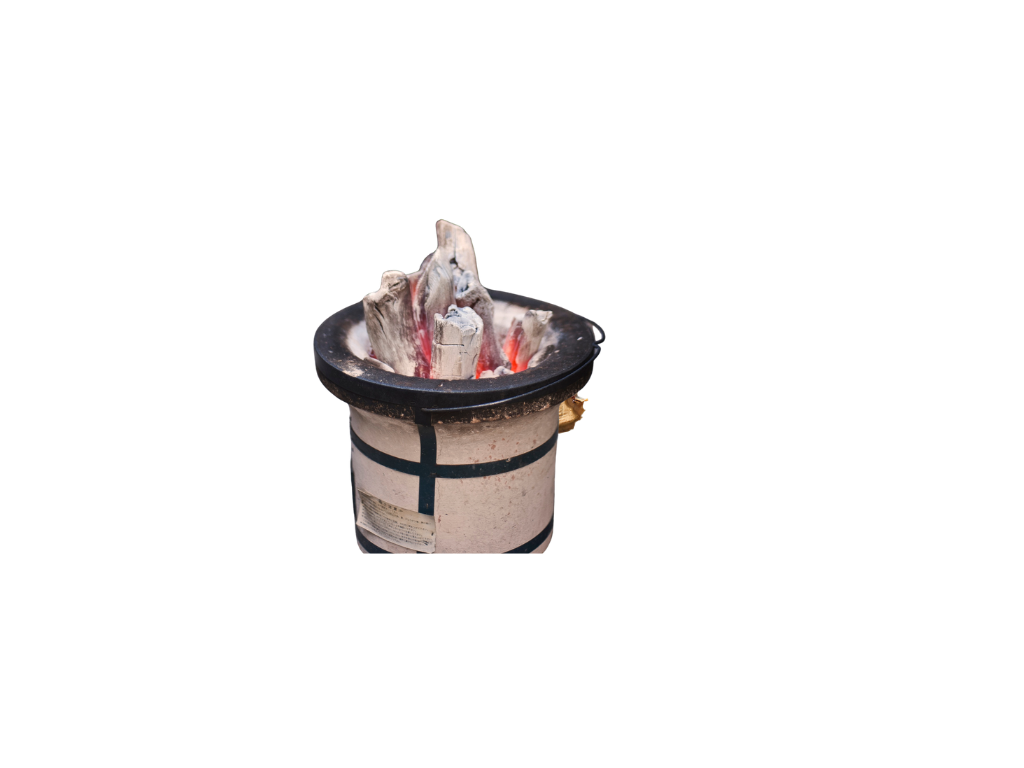
A small cylindrical charcoal grill designed for table-top cooking. The binchotan charcoal it burns reaches extreme heat with almost no smoke, imparting a flavour to yakitori and fish that gas cannot replicate. The shichirin is why izakaya food tastes the way it does
Donabe (土鍋) – Japanese Clay Pot
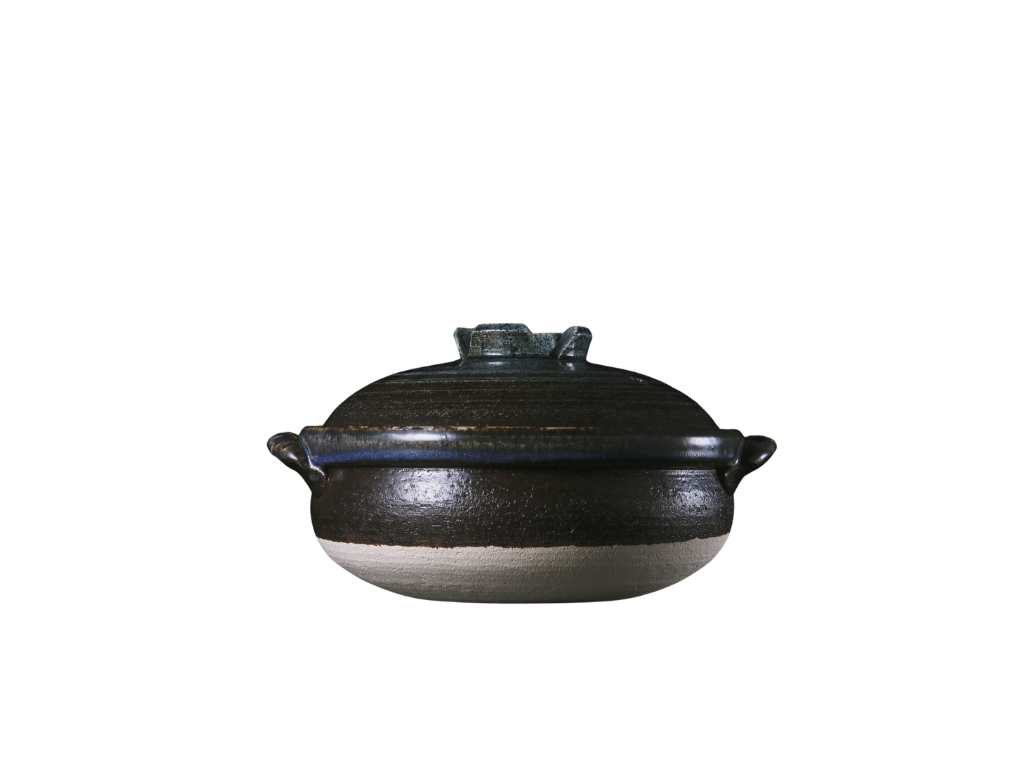
A clay pot that heats slowly and retains warmth long after it leaves the flame. The porous walls absorb flavour over years of use, meaning an old donabe cooks differently to a new one. It is the only kitchen tool that genuinely improves with age.
Knives - 包丁 - Hocho
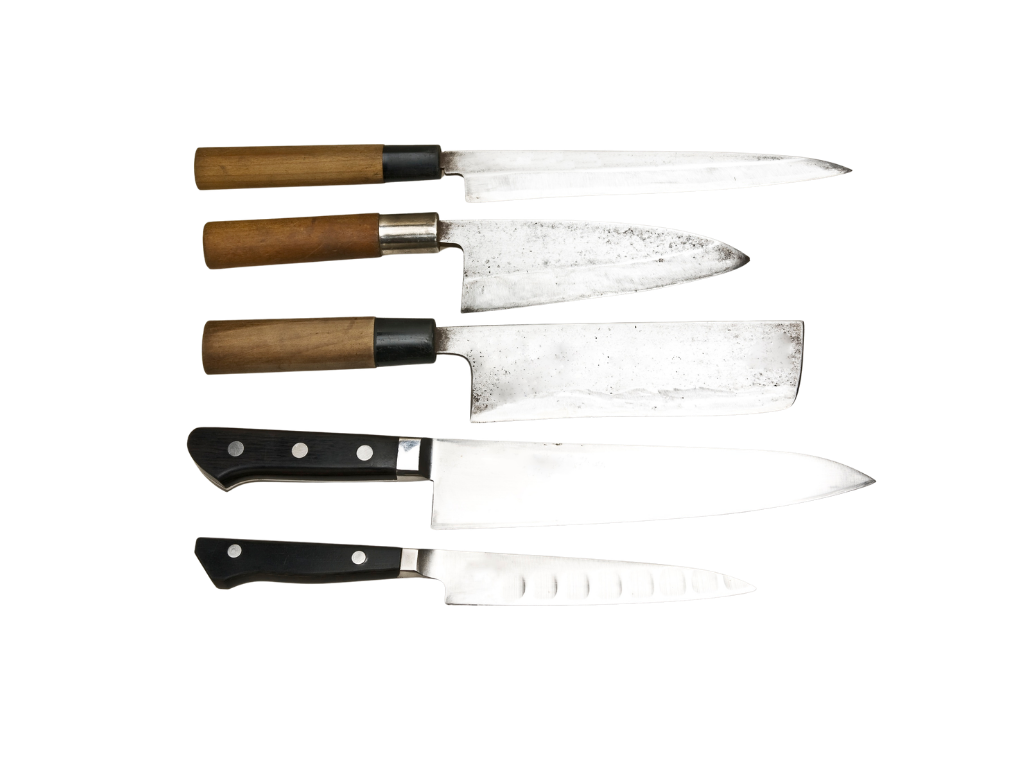
Each blade in a Japanese knife is designed for a single purpose: the yanagiba for fish, the deba for butchering, the usuba for vegetables. To use the wrong knife in a Japanese kitchen is not inefficiency. It is disrespect to the ingredient.